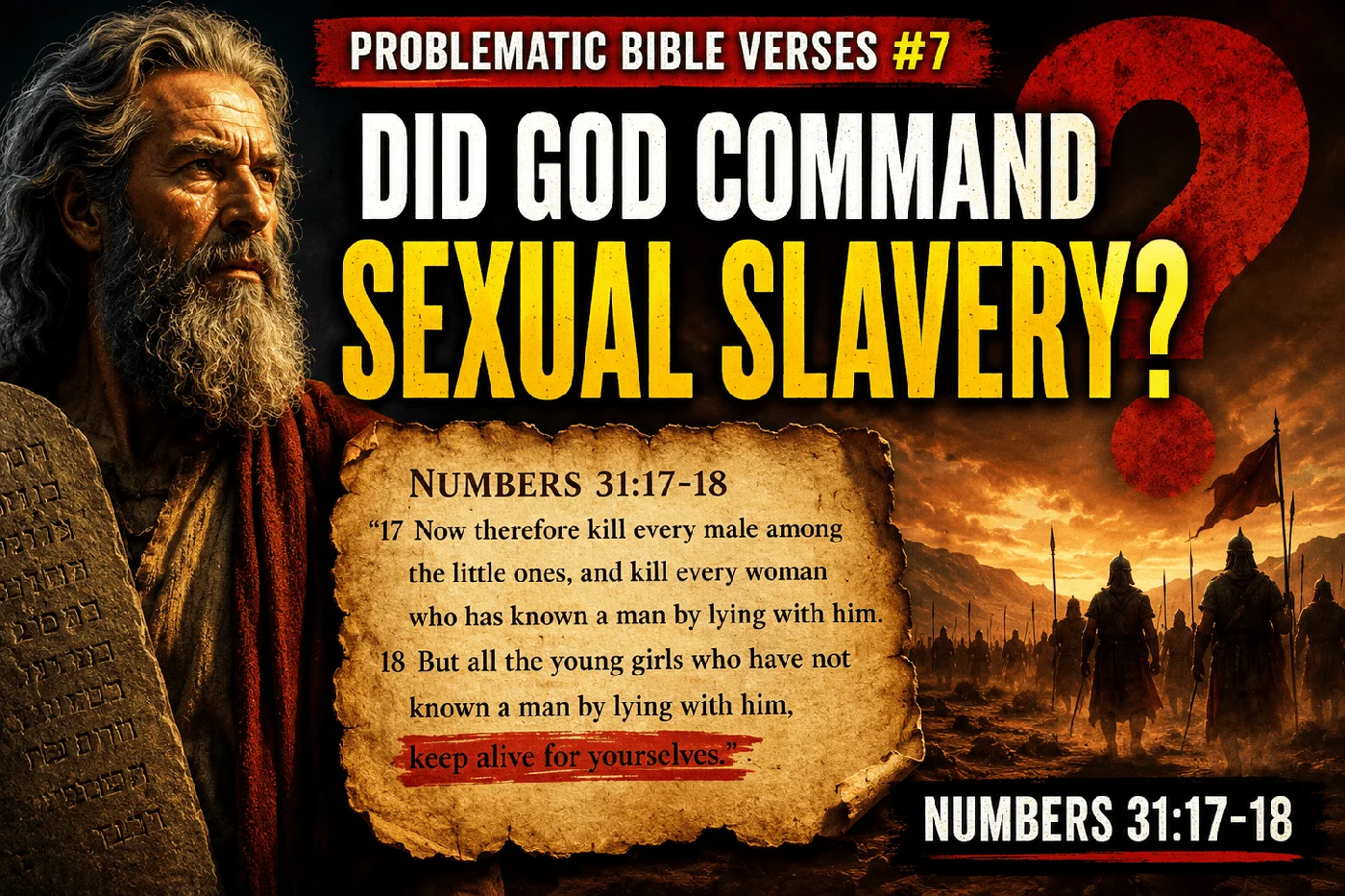
Like many difficult passages in Scripture, the answer depends on whether we allow the surrounding context to shape our interpretation or whether we isolate a few verses and read modern assumptions into them.
The moment someone says, “I’m a follower of Christ,” they’re not just making a personal statement—they’re publicly attaching Christ’s name to their life. And Scripture says that matters.
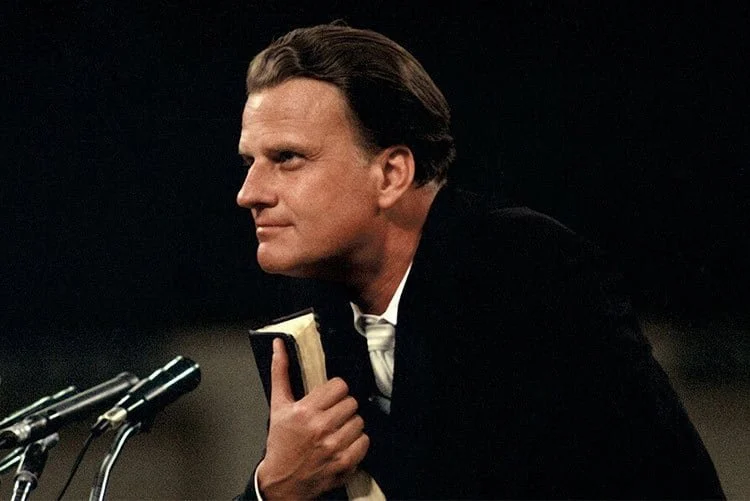
Billy Graham preached repentance, salvation, and man’s need for God with unwavering conviction. Discover how his bold faith and leadership — including his 2001 National Prayer service after 9/11 — shaped modern Christianity and set a standard today’s preachers rarely meet.
Dr. R.C. Sproul once noted in his sermon on God’s holiness that there is only one characteristic of God ever communicated in the superlative —not that God is “love, love, love” or “mercy, mercy, mercy,” but that He is “holy, holy, holy.”
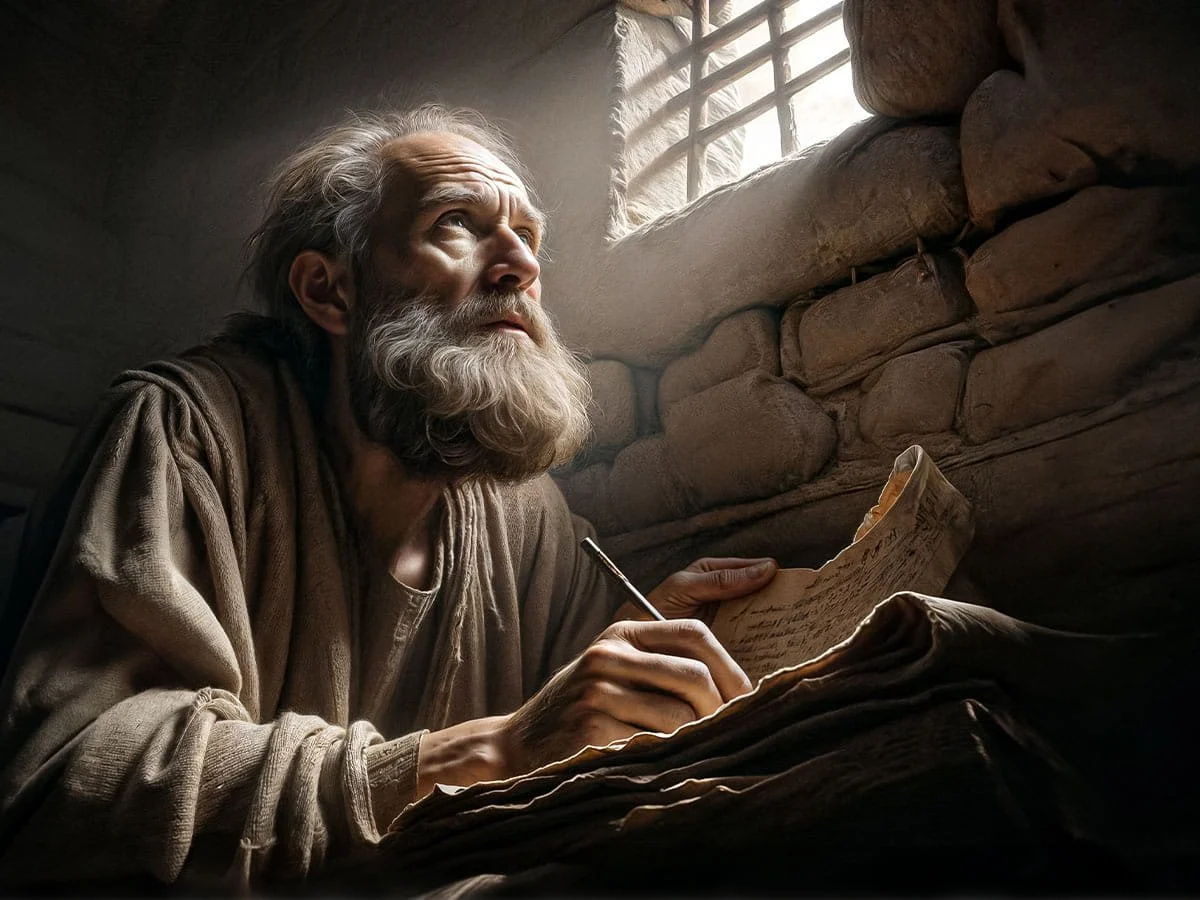
Skeptics claim the Bible can’t be God’s Word because it was written by humans in ancient cultures. But understanding the Bible’s human context doesn’t weaken Scripture—it reveals how God speaks through real people to reveal divine truth.
Before people could read Scripture, they passed down truth through story. Every culture crafted its own mythic heroes — reflections of what they hoped humanity could be.
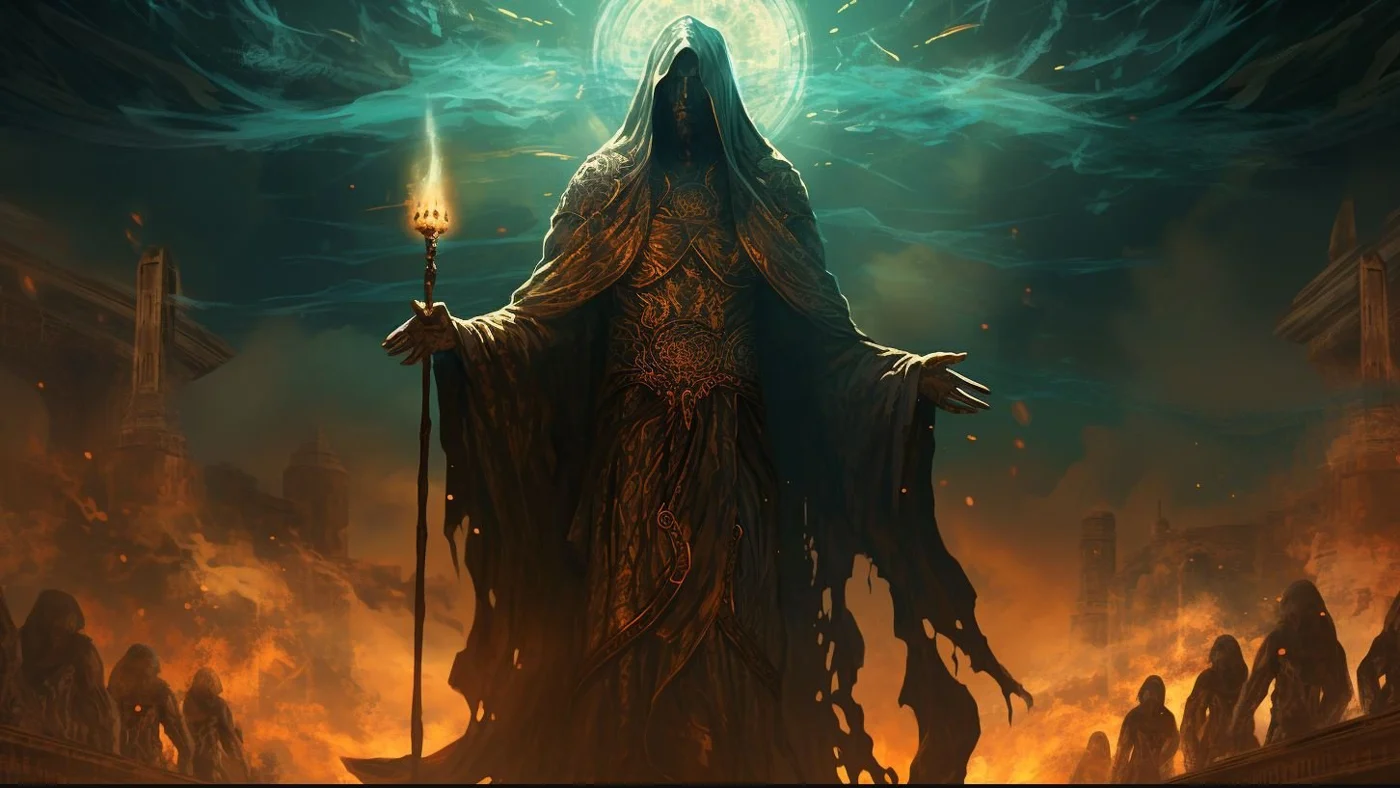
Some have suggested that this “wrath” came from Chemosh , the god of Moab, claiming that Mesha’s sacrifice provoked his pagan deity to act against Israel.
At first glance, this looks like foreigners were excluded from protections. But when read in light of the broader Torah, several points come into focus…
…when skeptics, critics, or even fellow believers raise challenges we don’t have immediate answers for, that moment becomes an opportunity—not a threat