shaking the foundation of christian faith
 Brandon Simpkins··3 min read
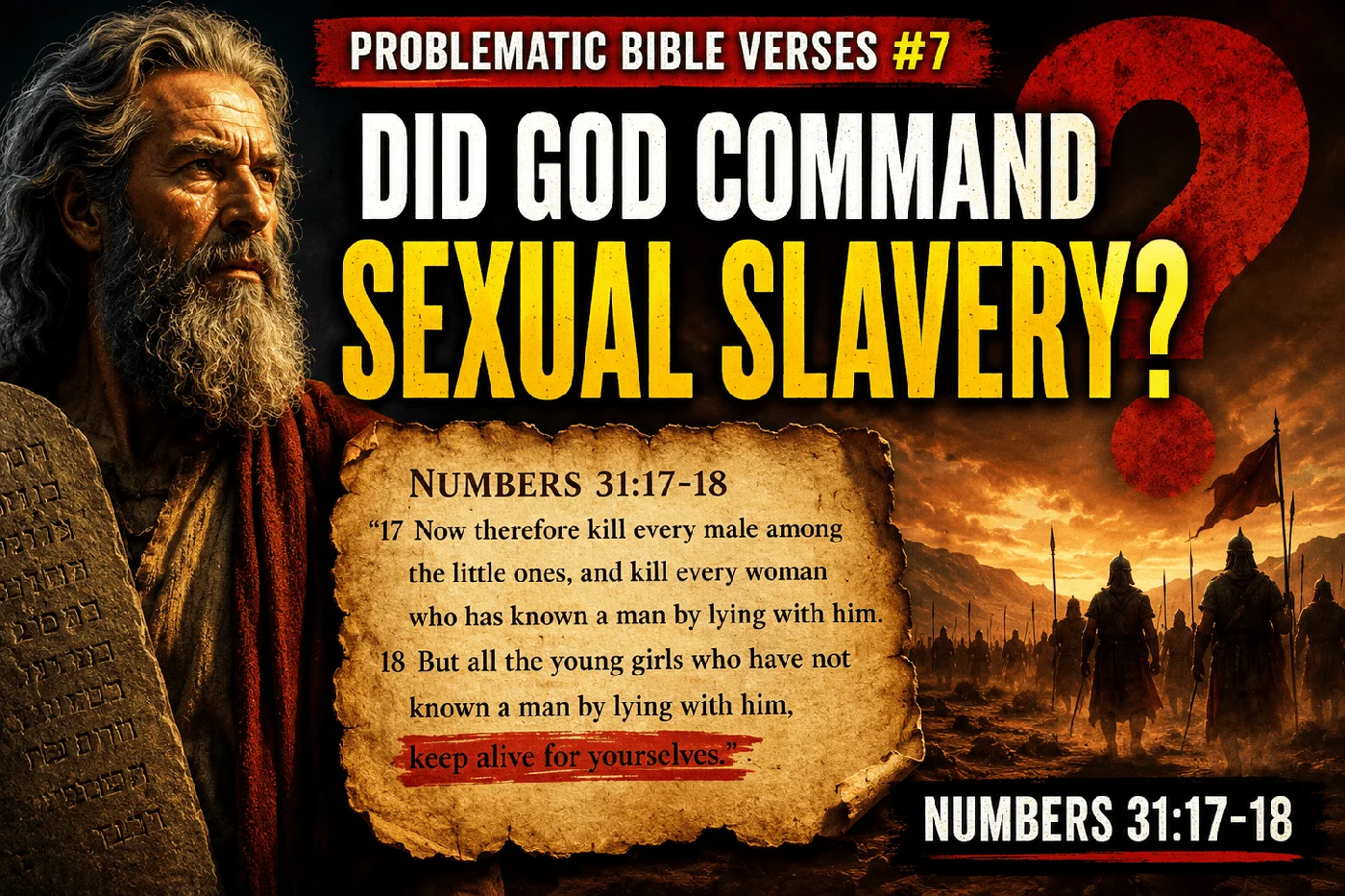
Out of all the hot-button issues in Christianity today, one topic quietly stands at the center with even bigger implications: biblical slavery.
Why? Because if the Bible really condoned slavery and didn’t just regulate it but outright endorsed human ownership — then everything else begins to crumble. The internal compass of the everyday Christian is called into question. This isn’t just a theological footnote. It’s a foundational issue. A moral issue. A personal conflict.
If God’s Word was used to justify systems of oppression and if Scripture, rightly understood, doesn't clearly reject the ownership and dehumanization of people, then we have a serious dilemma. If the church could misinterpret something this serious for centuries, then the questions that follow can have insurmountable consequences.
Can we trust the Bible at all?
What else have we misunderstood?
Is Christianity really rooted in justice and love — or in power and control?
For centuries, defenders of slavery leaned on Scripture as their moral defense. Verses were quoted from pulpits to plantations, all with one ultimate and selfish goal….power. And today, critics of Christianity still use those same passages to call the entire faith into question. It's not enough to say "that was cultural." It's not enough to shrug and move on. This is where trust is won or lost. Not just in a book. But in the very nature of God.
That’s why the biblical slavery debate is so important — because it doesn’t just touch history; it touches God’s character. If the Bible is on the wrong side of this, then it’s not just a book with controversial parts. It becomes a book that can’t be trusted at all. It calls God’s character into question, thus calling the believer’s faith in God as the ultimate moral compass into question.
So no — this isn’t just academic. It’s deeply personal. For believers. For skeptics. For anyone trying to reconcile faith with justice.
This is the conversation many avoid, but none of us can afford to ignore. It demands answers. And those answers can be found in the Bible. Bound in Lies was specifically written to rely on the Bible as the main source of evidence during the trial. Why? Because the question is “Does the Bible condone slavery?”, not “Does someone say that the Bible condones slavery?” Man’s opinion is just that…an opinion…and everyone has one. The Bible, however, claims to be the ultimate moral authority handed down by God to man. This is why the Bible’s voice is the most important of all to hear in a sea of accusations. Should the Bible’s voice falter, then the very foundation of all that the believer puts their faith in begins to erode.
It’s time to join the conversation. It’s time to uncover the truth. This is History Contested. It’s Scripture Tested. It’s Truth Unchained.
Brandon Simpkins
Author of Bound in Lies: The Biblical Case Against Slavery. Exploring Scripture with clarity, context, and conviction.
More about Brandon →